Entry and gateways
Check Ethiopia’s current entry and visa rules with the official Ethiopian immigration or diplomatic channel that applies to your passport. Semera is the main base for northern Afar; Awash is the practical road gateway for the south.
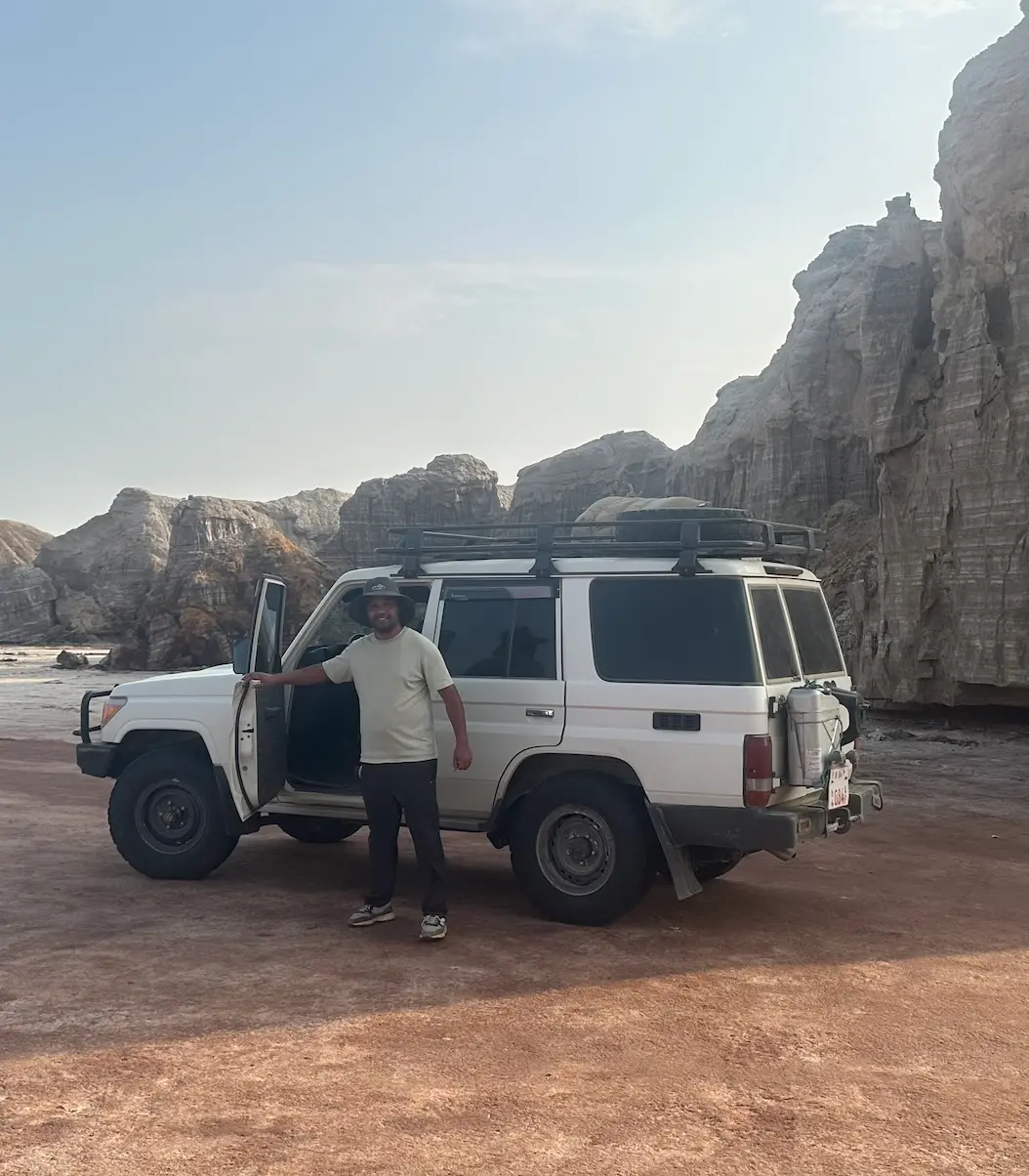
Remote routes require capable 4x4 vehicles, experienced drivers, spare fuel, water, tyres and a plan for communications beyond mobile coverage.
Season, heat and health
October to March is generally cooler, but extreme heat remains possible and conditions vary by destination. Share medical needs and realistic fitness limits before booking, and carry travel insurance suitable for trekking and remote evacuation.
Headache, nausea, confusion, unusual fatigue or reduced sweating can signal serious heat illness. Tell the guide immediately and follow the team’s hydration and rest plan.
Money, connectivity and permits
Carry Ethiopian birr for remote stages because card acceptance and ATMs may be limited outside larger towns. Save offline copies of bookings, passport and visa details.
Ask the operator to identify permits, checkpoints, park arrangements, community fees and exclusions in writing. Route access can change after booking.
Safety and changing conditions
Confirm road access, volcanic activity, weather, health requirements and security guidance immediately before departure. Do not travel independently in remote, volcanic or border areas.
A changed itinerary is a responsible response when conditions demand it. Never separate from the group or pressure a guide to continue.