
Western Afar Depression · Archaeology and human origins
Lower Valley of the Awash
Stand within a UNESCO World Heritage landscape that transformed the world’s understanding of human evolution.
The experience
Why this place stays with you
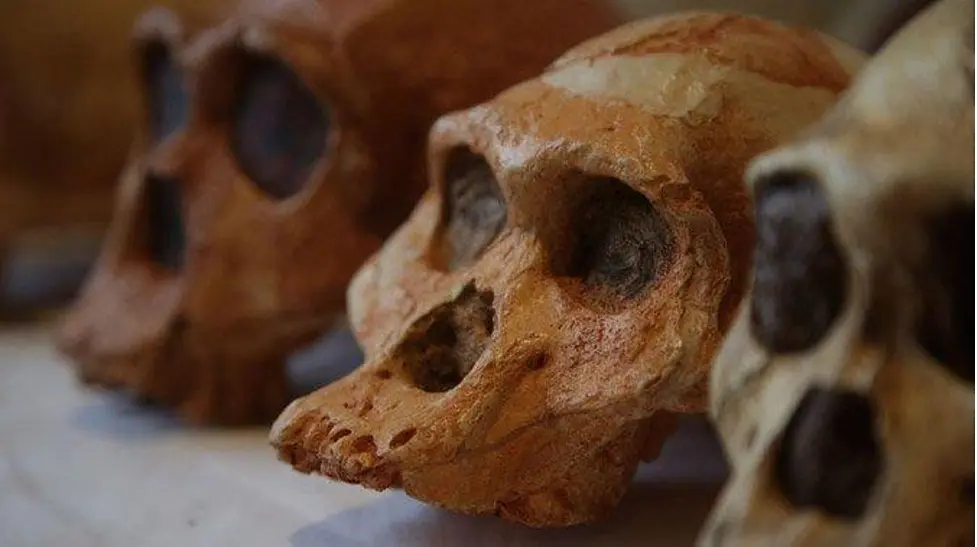
The Lower Valley of the Awash preserves one of Africa’s most important groupings of palaeontological sites. Discoveries here span millions of years and continue to shape the story of human evolution.
The best-known find is Australopithecus afarensis, widely known as Lucy: 52 fossil fragments discovered at Hadar in 1974 and dated to about 3.2 million years ago. This heritage is irreplaceable; visitors must use authorized access and leave every fragment exactly where it belongs.
What to Visit
- UNESCO World Heritage status
- Hadar and the story of Lucy
- Evidence spanning at least four million years
- Continuing scientific research
Experiences & Things to Do
- 01Explore human-origins interpretation
- 02Understand why archaeological context matters
- 03Connect deep history with a living landscape
- 04Visit with a specialist guide when available
Before you go
Plan your visit
- Heritage status
- UNESCO World Heritage Site since 1980
- Journey style
- Authorized heritage visit with interpretation
- Conservation
- Never disturb fossils or archaeological material
- Access
- Confirm arrangements with heritage authorities
What to bring
- Water and sun protection
- Closed, sturdy footwear
- Personal medicines and a compact first-aid kit
- Respectful, lightweight clothing
Confirm access, weather, volcanic status, permits and route security with Visit Afar and your tour operator immediately before departure.
Respect place and people
Travel responsibly
Follow local guidance, ask permission before photographing people, stay on approved routes, carry waste out and never remove geological, fossil or archaeological material.
Read all travel guidance Dallol & the Danakil Depression
 Erta Ale Active Volcano
 Awash National Park